World Landscape Architecture Month Week 3
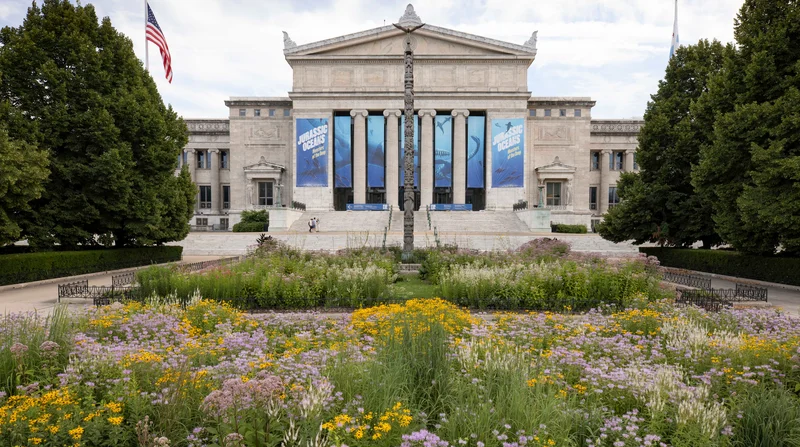
For week 3 of World Landscape Architecture Month, we are showcasing The Field Museum of Natural History Rice Native Gardens.
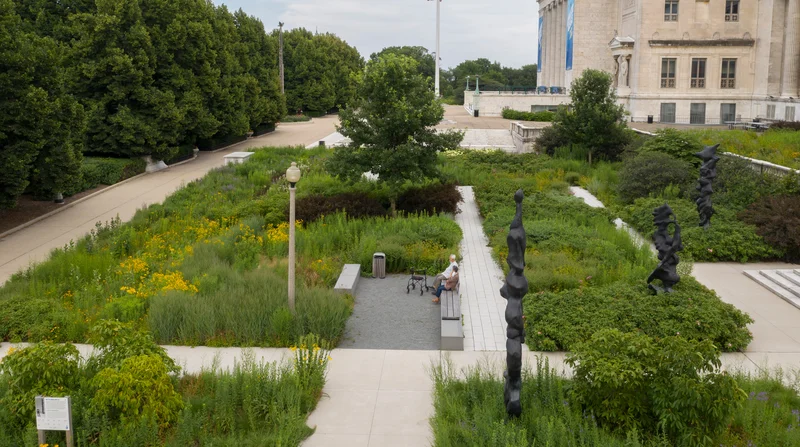
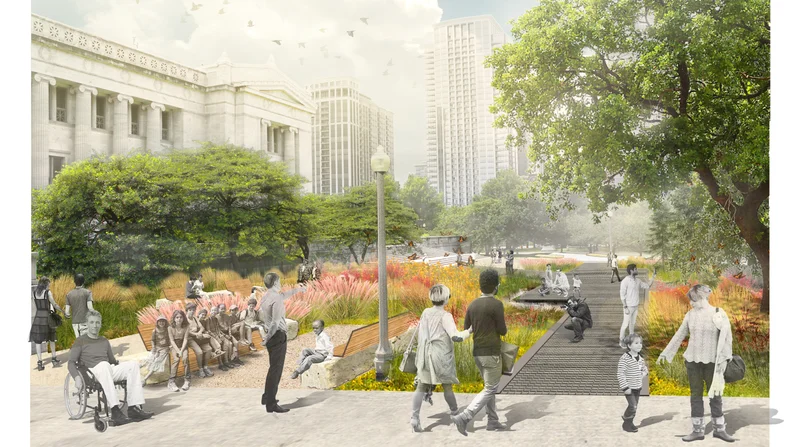
The Museum’s re-envisioned landscape has provided a way to showcase its commitment to conservation and the environment. The Museum grounds, which were once primarily turf grass, now contain over 88,000 square feet of planting beds around the exterior that are planted with native plants, providing myriad benefits for visitors, fauna, and the Museum as an attraction.
Key benefits include:
+ Stormwater Management: Redesigning the landscape with bioswales, rain gardens, or other stormwater best management practices has eliminated runoff from the grounds and provided habitat for wetland fauna native to the lakeshore.
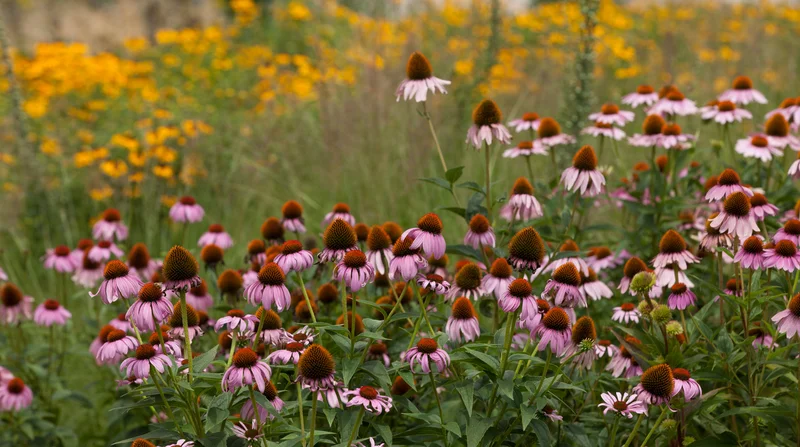
+ Native Plants: The use of native plants has provided habitat to local native fauna, including insects that require native plants for pollination, migrating birds, and small mammals. The Museum Campus is on a bird migration route, and native plantings have provided rich habitat for the many species of birds passing over Chicago.
+ Urban Heat Island Effect Mitigation: The use of native plants has contributed to reducing the urban heat island effect. Natural tall grass and wet swale ecosystems are naturally drought tolerant, providing temperature reduction through hairy and light-colored stems, water regulation and capture, and increased benefits of shading from tall grasses.
+ Educational Opportunity: With the addition of signage, the grounds are an outdoor exhibit, providing visitors with a look at what the ecosystem would have looked like before the Museum was there, further encouraging visitors to the Museum for its beauty and place in Chicago’s landscape.
The museum is strongly dedicated to sustainability and green infrastructure practices, exemplified through the Field Museum’s LEED Gold certification, which served as a guide for the Rice Native Gardens. These values demonstrate the museum’s vital role as a leader in conservation education for Chicago and beyond.